“A Ventura” Dennison at the Venice Biennale
Words by: Joshua Matvichuk
Photos by: Cedar Barnes
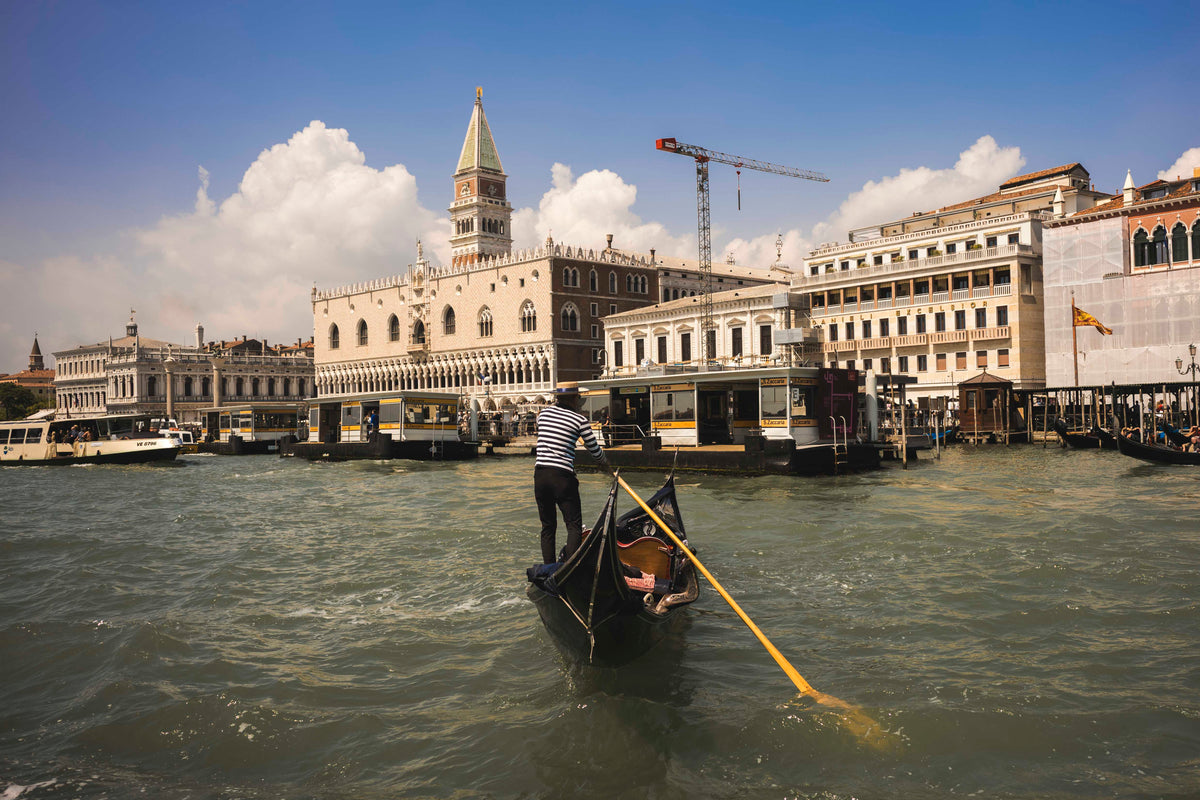
There are certain places that seem to collapse time. Venice is one of them.
Every two years the art world converges upon the city for the Venice Biennale, transforming the city into something bigger than a destination. It becomes a temporary republic of ideas. Curators, collectors, artists, architects, designers, journalists, and wanderers all move through the same narrow passageways, crossing paths between vaporetto stops and candlelit dinners, speaking in excited tones about exhibitions they have just seen or those they are still trying to find.

This year, Dennison arrived in Venice alongside OCD Gallery, whose exhibition at Palazzo da Mosto aptly named “Within Change” became one of the more compelling presences orbiting the Biennale itself. Removed from the spectacle that often surrounds major cultural events, the exhibition instead offered something more intimate and distinctly Venetian: a carefully constructed atmosphere where contemporary art and over a millennium of architectural splendor could coexist naturally.
For Dennison, the relationship felt instinctive.
The modern Dennison project has never existed solely within watchmaking. From the beginning, the brand has positioned itself adjacent to broader creative culture; architecture, fashion, industrial design, publishing, and contemporary art have all informed the way the watches are conceived and presented. Venice simply provided the ideal backdrop for those worlds to overlap.
The city itself encourages a different rhythm of attention. Unlike the accelerated pace of most international fairs, Venice forces movement to slow. There are no cars. Journeys unfold on foot or by water. One exhibition gradually bleeds into another. A conversation over espresso can become dinner six hours later without anyone quite noticing how the day disappeared.
This slower cadence mirrors something fundamental within both independent watchmaking and contemporary art. Both disciplines reward sustained attention.

At Palazzo da Mosto, OCD Gallery’s show reflected this philosophy. The exhibition felt lived-in rather than staged; less concerned with spectacle and more interested in creating an emotional atmosphere around the work itself. Visitors moved through the palazzo gradually, often returning to pieces multiple times throughout the evening as the light shifted and conversations evolved around them. With British sculptor Luke Hamel Cooke’s dazzling sculptures taking centre stage reflecting shimmering light against the blue depths of the lagoon.

Dennison’s presence within this environment was intentionally understated. The watches were not treated as isolated luxury objects displayed behind glass, but as part of the wider cultural landscape surrounding the exhibition. Worn naturally throughout the opening week, they existed within the same ecosystem as the artworks, the architecture, the clothing, and the people moving through the space. The time pieces were shot not on models but on the very people crucial to this ecosystem, gallerists, auctioneers, assistants and photographers and namely the artists themselves.
This distinction matters.


Genuine participation is crucial to Dennison’s mission. Venice demonstrated the value of that participation clearly. The week was not built around transactional meetings or conventional activations, but around proximity: proximity to artists, collectors, creative directors, writers, and independent thinkers who all shape contemporary culture in quieter ways.
Throughout the week, conversations continually returned to materiality. Perhaps this was inevitable in Venice, a city where texture defines almost everything. Peeling walls, oxidised metal, weathered stone, soft light reflecting from the canals; the city constantly reminds visitors that objects gain beauty through age and use.
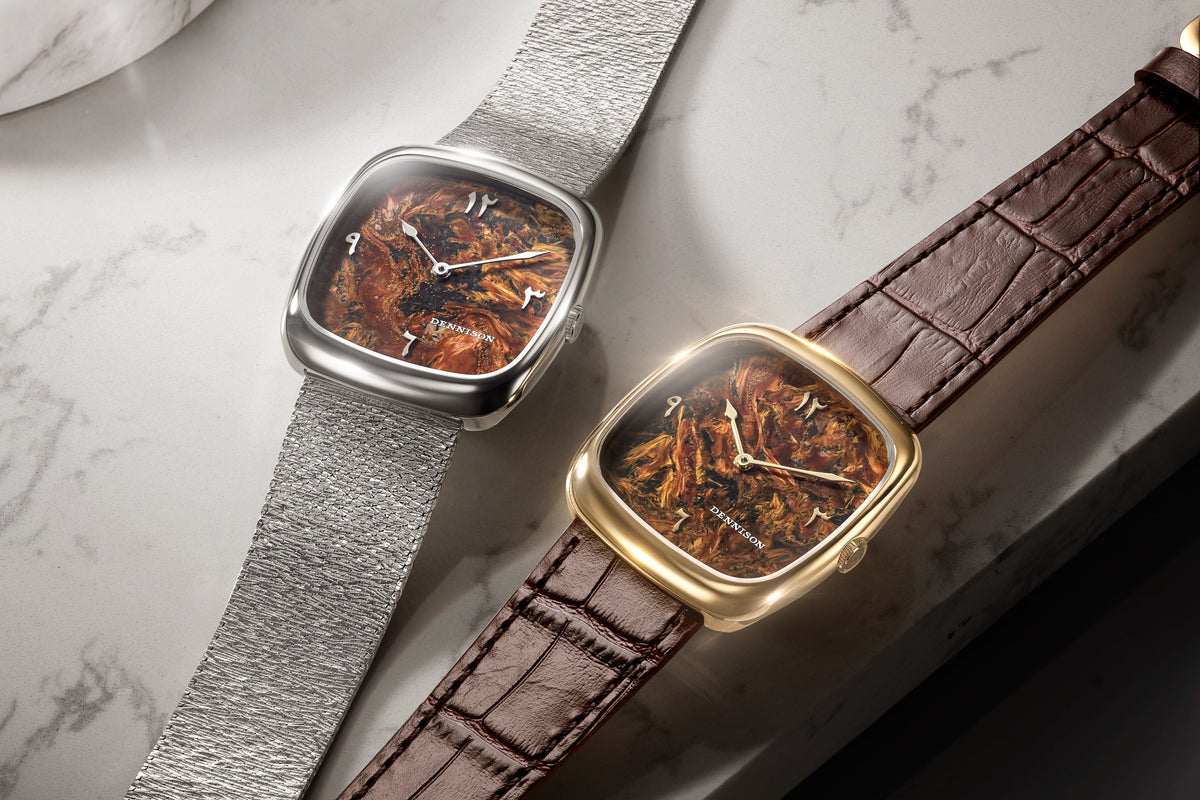
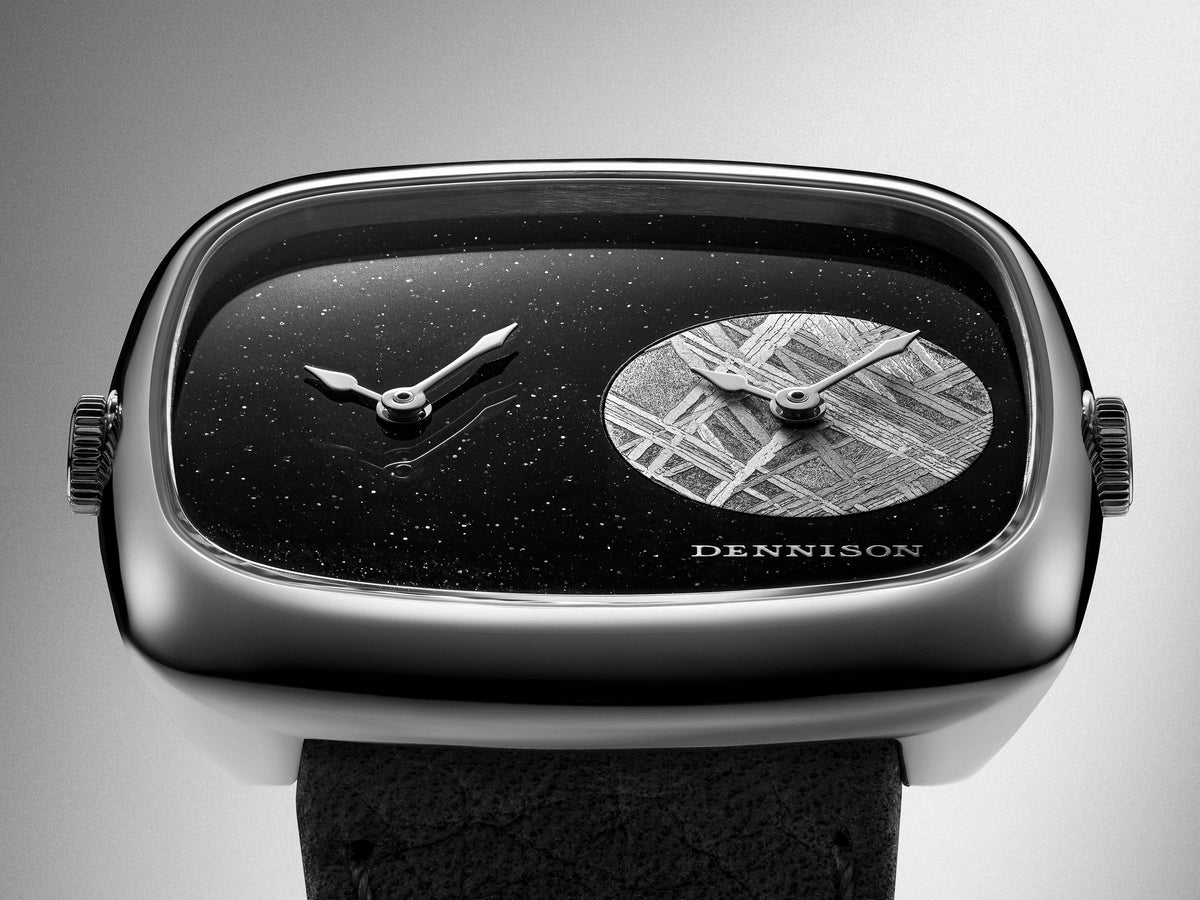
That same sensitivity to material has always informed Dennison’s design language. Whether through the elegance of the ALD shape, the tactile qualities of stone dials within the ALD Mini collection, or the integration of jewelry-inspired bracelet construction, the watches are designed not merely to be seen but experienced physically.


Within the context of the Biennale, those qualities resonated differently. Removed from traditional retail environments, the watches became part of a wider conversation about objects and emotional permanence. In a cultural moment increasingly dominated by digital consumption and fleeting imagery, both art and watchmaking continue to offer something slower and more enduring.
Venice reinforced this shared sensibility repeatedly.
There is also something fitting about Dennison finding itself in Venice specifically. Historically, Venice was one of Europe’s great crossroads for trade, craft, and cultural exchange; a place where influences from East and West merged into something entirely unique. The city’s identity has always been shaped by movement, collaboration, and the meeting of disciplines.
The same could be said of contemporary independent culture today.
The boundaries separating fashion, art, design, and watchmaking continue to dissolve. Increasingly, the most compelling projects emerge not from isolation but from dialogue between worlds. Venice provided a reminder that these intersections remain fertile ground for new ideas.

As the Biennale preview week came to a close and the city slowly emptied again, what remained was not a singular launch or announcement, but a feeling; the sense that certain environments still possess the ability to bring the right people together naturally.
For Dennison, Venice was ultimately less about presentation and more about alignment. An affirmation that independent creative projects still thrive through shared sensibilities and a genuine respect for craft.
As I took my last slightly unsteady step onto the taxi boat back to the airport, I glanced once more at the Aventurine dial on my wrist and reflected on its origins just minutes away in Murano. It felt fitting. Venice is a city shaped by material and craft, where glass, stone, and water have carried centuries of human ingenuity across generations. The aventurine itself, born from suspended copper within molten glass, seemed less like a decorative dial than a fragment of the city carried outward into the world. Perhaps that was the lasting impression Venice leaves behind; a reminder that the most meaningful objects are never isolated from culture, history, or place, but quietly shaped by all three.